
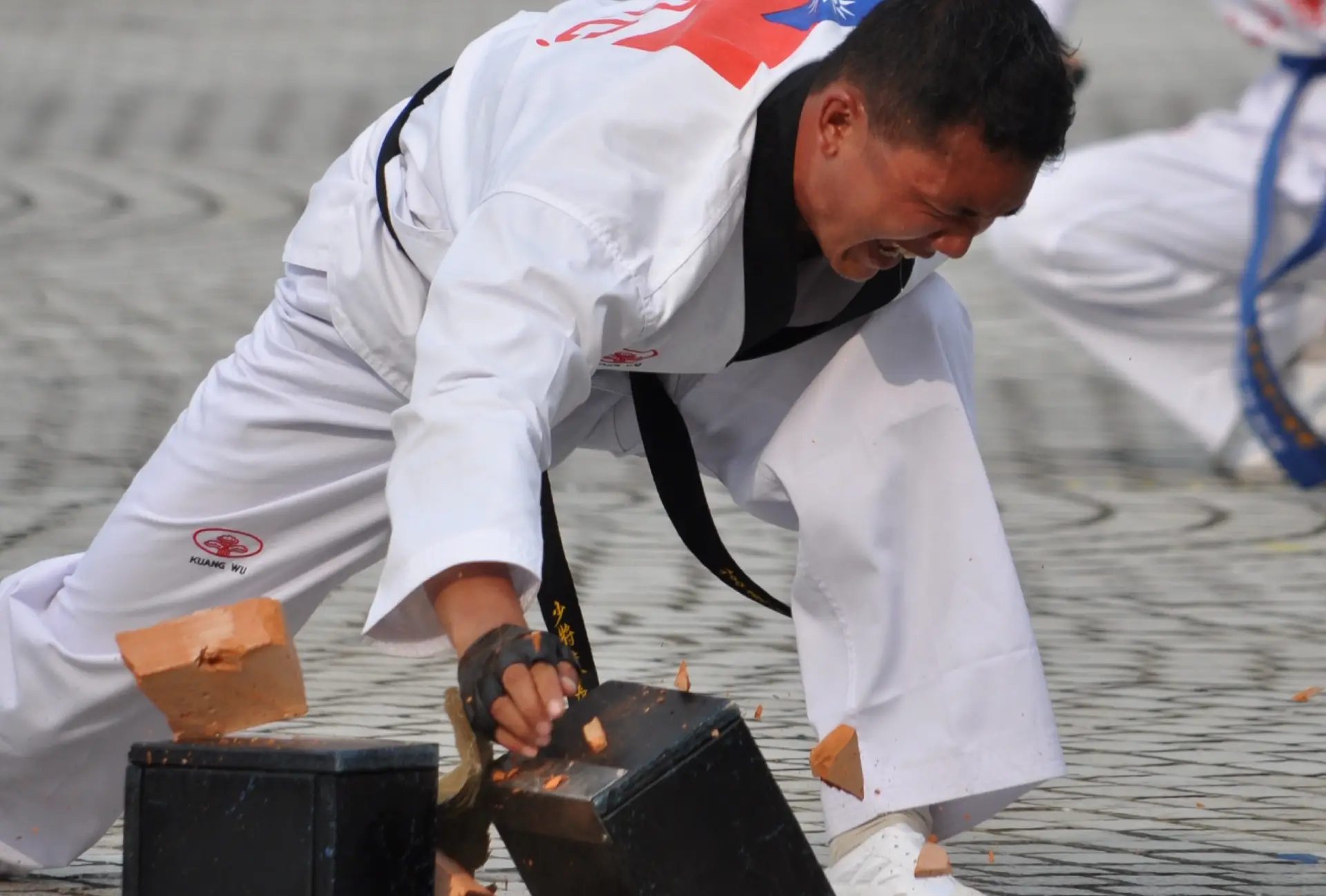
When most people think of karate, they picture fast punches, crisp kicks, and perhaps a dramatic “hi-yah!” in a movie fight scene. But this ancient martial art is far more than choreographed combat — it’s a system of discipline, respect, and self-improvement that has evolved over centuries.
Where Karate Comes From
Karate originated in Okinawa, Japan, in the 17th century. The word itself means “empty hand” — a hint that this martial art was developed as a way to defend oneself without weapons. It blends native Okinawan fighting methods with influences from Chinese martial arts, creating a unique system based on striking, blocking, and powerful movements.
Today, karate is practiced all over the world, from small community dojos to Olympic arenas. But whether it’s taught for sport, fitness, or self-defense, its core principles have remained the same.
The Core Principles of Karate
Karate isn’t just about learning how to fight — it’s about learning how not to fight unless absolutely necessary. Students are guided by these fundamental ideas:
- Respect and Courtesy – Bowing at the start and end of class isn’t just ritual — it’s a reminder that karate begins and ends with respect.
- Self-Discipline – Training involves repetition, patience, and persistence. The goal is to master yourself, not just your opponent.
- Continuous Improvement (Kaizen) – There’s always another layer to refine, whether it’s sharper technique, better timing, or calmer focus.
How Karate Is Practiced
A typical karate class mixes several elements:
-
Kihon (Basics): Practicing stances, punches, and kicks to build strong fundamentals.
-
Kata (Forms): Pre-arranged sequences of movements that simulate combat scenarios.
-
Kumite (Sparring): Controlled practice against a partner, testing timing and distance.
-
Conditioning: Strength, balance, and flexibility training to support techniques.
As students progress, they earn colored belts to mark their development — not just for physical skill, but also for attitude and understanding.
Why People Love Karate
-
Fitness: Karate is a full-body workout that builds strength, speed, and endurance.
-
Confidence: Knowing you can protect yourself — and learning when not to fight — fosters real confidence.
-
Mental Focus: Karate sharpens concentration and teaches students to stay calm under pressure.
-
Community: Dojos create supportive environments where people of all ages learn and grow together.
Modern Karate: Sport, Self-Defense, and Beyond
In 2021, karate made its Olympic debut, highlighting its competitive side. But even outside the spotlight, millions of practitioners train not to win medals, but to build character and live healthier lives. Some dojos emphasize traditional training and philosophy, while others focus on practical self-defense or competitive tournaments.
A Path Worth Stepping Onto
Whether you’re a parent looking for an activity for your child, an adult searching for a new fitness challenge, or simply curious about martial arts, karate offers a path that goes beyond physical skill. It’s a journey toward self-control, respect, and lifelong learning.
As karate masters often say:
“The ultimate aim of karate lies not in victory or defeat, but in the perfection of character.”
0 Comments