
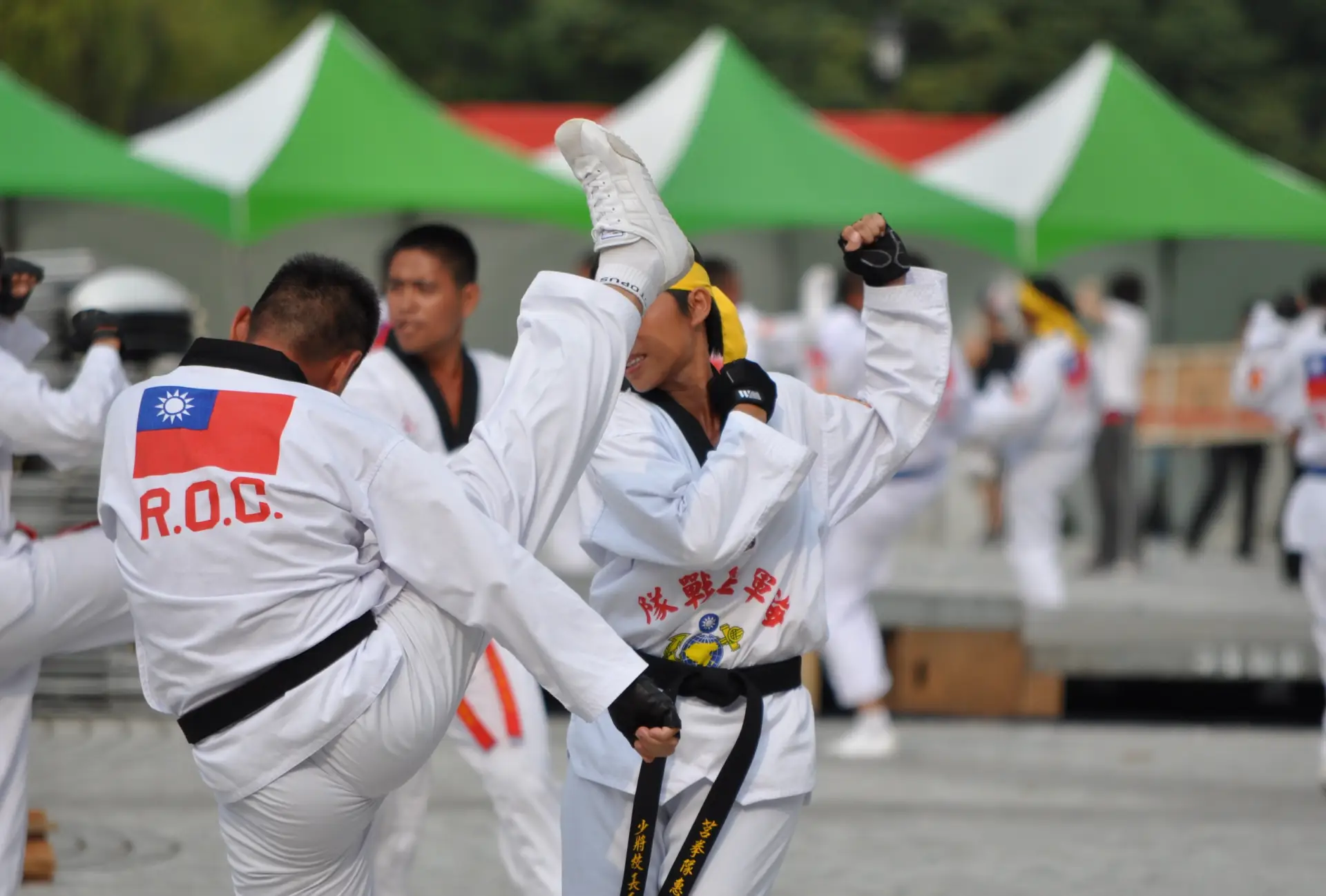
Kung Fu isn’t just a single martial art — it’s an umbrella term for hundreds of Chinese fighting styles, some dating back thousands of years. Known for its fluid movements, deep stances, and philosophical roots, Kung Fu blends physical mastery with mental discipline, making it as much a way of life as it is a fighting system.
What Does “Kung Fu” Really Mean?
In Chinese, Gongfu (功夫) literally means “skill acquired through hard work.” In other words, Kung Fu isn’t strictly about fighting — it describes mastery of any discipline through diligent effort. Over time, the West began using the term to refer to Chinese martial arts.
The Major Styles of Kung Fu
Kung Fu is incredibly diverse, but many styles are grouped into two main categories:
-
Northern Styles: Known for high kicks, long-range strikes, and acrobatic movements (e.g., Shaolin Long Fist, Northern Praying Mantis).
-
Southern Styles: Known for low stances, fast hand techniques, and strong root stability (e.g., Wing Chun, Southern Tiger).
Some of the most famous styles include:
-
Shaolin Kung Fu: Developed by monks, blending Zen Buddhism with rigorous training.
-
Wing Chun: A close-range style focused on direct, efficient strikes — famously studied by Bruce Lee.
-
Hung Gar: A southern style known for powerful stances and strong arm techniques.
-
Tai Chi (Taijiquan): A soft, internal style emphasizing slow, flowing movements and energy cultivation.
Training in Kung Fu
Training is physically demanding and mentally enriching, usually including:
-
Stances & Forms (Taolu): Foundational postures and choreographed sequences that build strength, balance, and coordination.
-
Applications & Sparring: Practicing how movements work in real self-defense scenarios.
-
Weapons Training: Staff (bo), broadsword, spear, and other traditional weapons for coordination and discipline.
-
Conditioning: Strengthening tendons, ligaments, and reflexes through repetitive drills.
-
Philosophy & Ethics: Many schools emphasize virtues like respect, humility, and perseverance.
Why Train Kung Fu?
-
Full-Body Fitness: Enhances flexibility, stamina, and strength.
-
Self-Defense: Practical techniques for striking, trapping, and controlling opponents.
-
Mental Focus: Meditation and breathing exercises develop calmness under pressure.
-
Cultural Appreciation: Connects practitioners to rich Chinese traditions and history.
-
Lifelong Practice: From children to seniors, Kung Fu can be adapted for all ages and abilities.
Kung Fu in Modern Times
While rooted in ancient tradition, Kung Fu has adapted for the modern world. It’s now taught globally — in dojos, gyms, and cultural centers — and is featured in films, competitions, and demonstrations. Modern schools often blend traditional forms with contemporary self-defense, making Kung Fu both practical and artistic.
The Philosophy Behind the Art
Kung Fu emphasizes balance between body, mind, and spirit. It’s not just about defeating opponents — it’s about overcoming your own limitations. The slow, deliberate path to mastery cultivates patience and resilience, making it a journey of personal transformation as much as martial skill.
0 Comments