
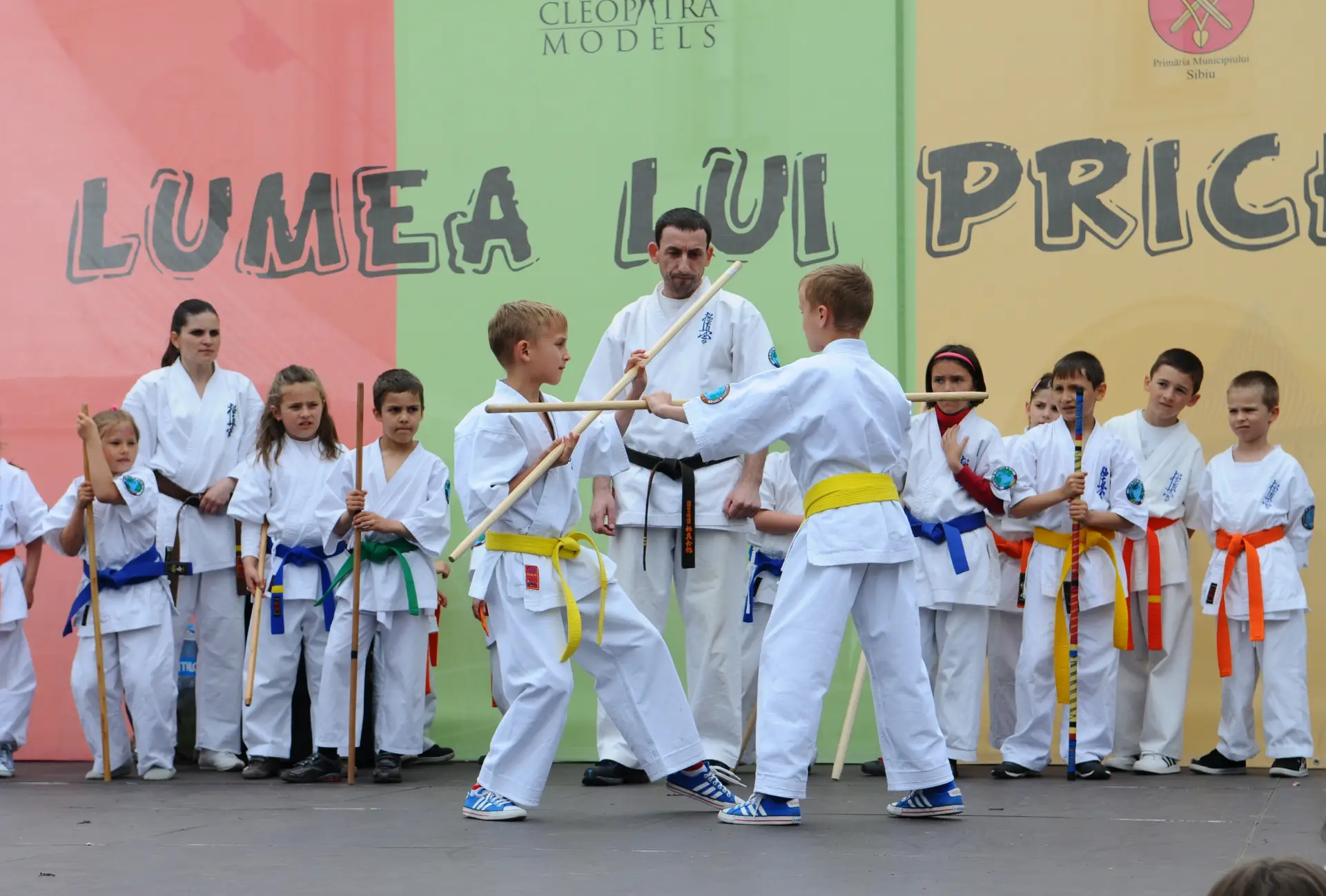
When you think of martial arts, empty-hand techniques often come to mind — punches, kicks, and throws. But for centuries, warriors around the world have trained with one of humanity’s simplest weapons: the stick. Whether it’s a short baton, a long staff, or paired weapons, stick fighting combines precision, speed, and strategy in ways that empty-hand combat can’t.
What Is Stick Fighting?
At its core, stick fighting is any martial art or combat system that uses sticks as weapons for offense, defense, and control. Sticks can vary in length:
-
Short sticks (Escrima, Arnis, Kali): Around 24–28 inches, used in Filipino martial arts for lightning-fast strikes, disarms, and counters.
-
Medium sticks (batons or canes): Often seen in self-defense systems, law enforcement, or cane-based martial arts like Canne de Combat.
-
Long sticks (bo staff, jo staff): Used in Japanese, Chinese, and Korean arts for powerful strikes, sweeps, and range control.
Despite regional differences, most stick-fighting styles share common principles: angle, timing, distancing, and economy of motion.
Where Does Stick Fighting Come From?
Nearly every culture with weapons has some form of stick fighting:
-
Filipino Martial Arts (FMA): Eskrima, Kali, Arnis — fast, efficient systems that train both weapons and empty hands interchangeably.
-
Japanese Arts: Bo staff (kobudo) and jo staff (aikijo) — weapons integrated into karate, aikido, and other traditional systems.
-
European Styles: Medieval stick or cudgel fighting, Irish bataireacht (shillelagh fighting), and French Canne de Combat.
-
African Arts: Zulu stick fighting and other tribal systems for both combat and ritual.
Stick fighting evolved because sticks were everywhere — and if you could fight with one, you could fight with almost anything.
How Stick Fighting Is Practiced Today
Modern training blends traditional techniques with practical applications:
-
Drills: Repetitive patterns (called sinawali in Filipino arts) to build coordination and speed.
-
Sparring: Controlled combat with padded sticks or protective gear to test timing and reflexes.
-
Self-Defense Applications: Learning disarms, counters, and how to transition to empty-hand techniques if disarmed.
-
Forms or Kata: Prearranged sequences to develop fluidity and precision with strikes and blocks.
Why Train in Stick Fighting?
-
Real-World Applicability: A stick, cane, or umbrella can be found almost anywhere, making the skills highly practical.
-
Full-Body Workout: Training improves strength, agility, hand-eye coordination, and cardiovascular fitness.
-
Sharp Reflexes: Because weapons move faster than punches or kicks, students learn to react instantly.
-
Foundation for Other Weapons: Once you learn angles, footwork, and timing with a stick, transitioning to knives, swords, or empty-hand defense becomes easier.
-
Cultural Preservation: Many stick-fighting arts carry deep cultural traditions and philosophies that enrich practice beyond just combat.
Modern Uses: From Dojo to Law Enforcement
Stick fighting isn’t just for martial artists. Law enforcement agencies train with batons, security professionals study control techniques, and martial arts schools integrate sticks to sharpen overall fighting skills. In competitive settings, organizations host tournaments with safety gear — keeping the art alive in a modern context.
A Martial Art of Simplicity and Power
What makes stick fighting timeless is its elegant simplicity: you’re armed with one of the oldest tools known to humanity, and yet you train to use it with modern precision. Whether you’re interested in fitness, self-defense, cultural heritage, or martial skill, stick fighting offers a path that’s fast, effective, and deeply rewarding.
0 Comments